April brings a dramatic shift to the countryside. The preparation work you completed in March now faces the ultimate test as soil temperatures rise and the active growing season begins. Grass is not the only thing waking up; aggressive weeds are also rushing to dominate your paddocks.
Managing this rapid growth effectively determines the quality of your grazing for the entire summer. A proactive approach in early spring prevents minor issues from snowballing into expensive, time-consuming problems by July. The decisions you make right now will directly impact the health of your livestock and the longevity of your pasture.
This guide explores the essential steps for transitioning into the active growing season. We will cover how to identify and treat stubborn perennial weeds before they establish deep roots. You will also learn the best strategies for repairing heavily poached ground and discover the secrets to executing a perfect first spring topping.
Identifying and Tackling Perennial Weeds
Perennial weeds are the primary enemies of productive grazing land. Plants like broad-leaved docks, creeping thistles, and common nettles return year after year, aggressively competing with your grass for vital nutrients, sunlight, and water.
Spotting the Usual Suspects Early
The key to effective weed control is early identification. You must scout your paddocks thoroughly as the first flushes of green appear. Broad-leaved docks emerge as flat rosettes of smooth, dark green leaves. Creeping thistles push up small, spiky shoots that quickly form dense patches. Nettles usually appear in clusters, often favoring areas where manure or old vegetation has decomposed.
Identifying these weeds in their juvenile stage gives you a massive advantage. At this point in the season, their energy is focused upward on new leaf growth rather than downward into root expansion. Catching them before they flower and set seed is crucial for breaking their lifecycle.
The Importance of Early Intervention
Waiting until weeds are waist-high in summer makes eradication incredibly difficult. Mature perennial weeds possess massive, established taproots that can survive droughts, heavy grazing, and even severe mowing. A mature dock plant, for example, can produce tens of thousands of seeds that remain viable in the soil for decades.
Treating these weeds in April, while they are young and actively growing, prevents them from developing those resilient taproots. Early intervention weakens the plant significantly, making your chosen control methods far more successful and drastically reducing the weed burden for the rest of the year.
Choosing the Right Weed Control Method
Once you identify the weed pressure in your paddocks, you must choose the most effective way to eliminate it. The right approach depends on the size of your pasture, the severity of the infestation, and your specific grazing goals.
Selective Herbicide Application
For moderate to severe weed infestations, selective herbicides offer the most reliable solution. These specialized chemicals target broadleaf weeds while leaving your valuable grass untouched.
However, you must apply herbicides carefully to protect beneficial plants like white clover. Clover is a vital component of a healthy paddock because it naturally fixes nitrogen in the soil and provides a high-protein food source for grazing animals. Many standard broadleaf herbicides will kill clover alongside the weeds.
If you want to preserve your clover, you must select a clover-safe herbicide formulation. Timing your application is equally critical. You should only spray on dry, calm days when the weeds are actively growing, ensuring the plant absorbs the chemical effectively without wind drift harming adjacent vegetation.
Mechanical Removal and Traditional Methods
If you manage a smaller paddock or prefer an organic approach, mechanical removal is a viable alternative to chemical sprays. This involves manually digging out or pulling the weeds.
When removing weeds mechanically, you must extract the entire root system. If you leave even a small fragment of a dock or thistle root in the ground, the plant will simply regenerate. Specialized tools like dock forks help you pry the entire taproot from the soil without snapping it. While labor-intensive, mechanical removal is highly effective for localized weed patches and zero-chemical management plans.
Repairing Poached Areas as Soil Dries
Winter takes a heavy toll on paddock infrastructure. Areas around heavy traffic zones, such as gates, water troughs, and hay feeders, often suffer severe damage. This intense trampling creates “poached” ground—a compacted, lifeless expanse of mud.
Addressing High-Traffic Zones
As the April sun dries the landscape, these muddy, poached areas bake into rock-hard concrete. This severe soil compaction squeezes all the oxygen out of the dirt, creating an anaerobic environment where grass roots simply cannot survive.
You must break up this compaction to restore the soil structure. Lightly harrowing or aerating these specific zones fractures the hard surface, allowing air, water, and nutrients to penetrate the soil profile once again. Breaking the surface crust is the mandatory first step to bringing these dead zones back to life.
Reseeding and Recovery
Once you aerate the poached ground, you need to introduce new grass seed quickly. If you leave the bare soil exposed, opportunistic weeds will immediately colonize the area.
Select a durable, fast-establishing paddock seed mix specifically designed for repair work. Broadcast the seed evenly over the prepared soil, and then lightly roll the area to ensure the seeds make firm contact with the dirt. Most importantly, you must fence off these repaired areas. Keep livestock away for several weeks to give the fragile new grass seedlings time to establish strong, deep roots.
The First Spring Topping: Encouraging Dense Growth
Mowing, or “topping,” your paddock is not just about keeping the grass looking neat. When done correctly, the first spring cut is a powerful agricultural tool that dictates the density and health of your pasture.
The Science of Tillering
Grass plants possess a remarkable biological response to being cut. When you remove the top portion of the grass blade, the plant redirects its energy from growing taller into spreading wider. It sends out horizontal side shoots in a process known as “tillering.”
Tillering transforms a thin, sparse pasture into a thick, dense sward. A dense canopy of grass is your best natural defense against weeds because it blocks sunlight from reaching the weed seeds waiting on the soil surface. By encouraging tillering early in the season, you create a robust pasture capable of withstanding heavy summer grazing.
Timing Your First Mow
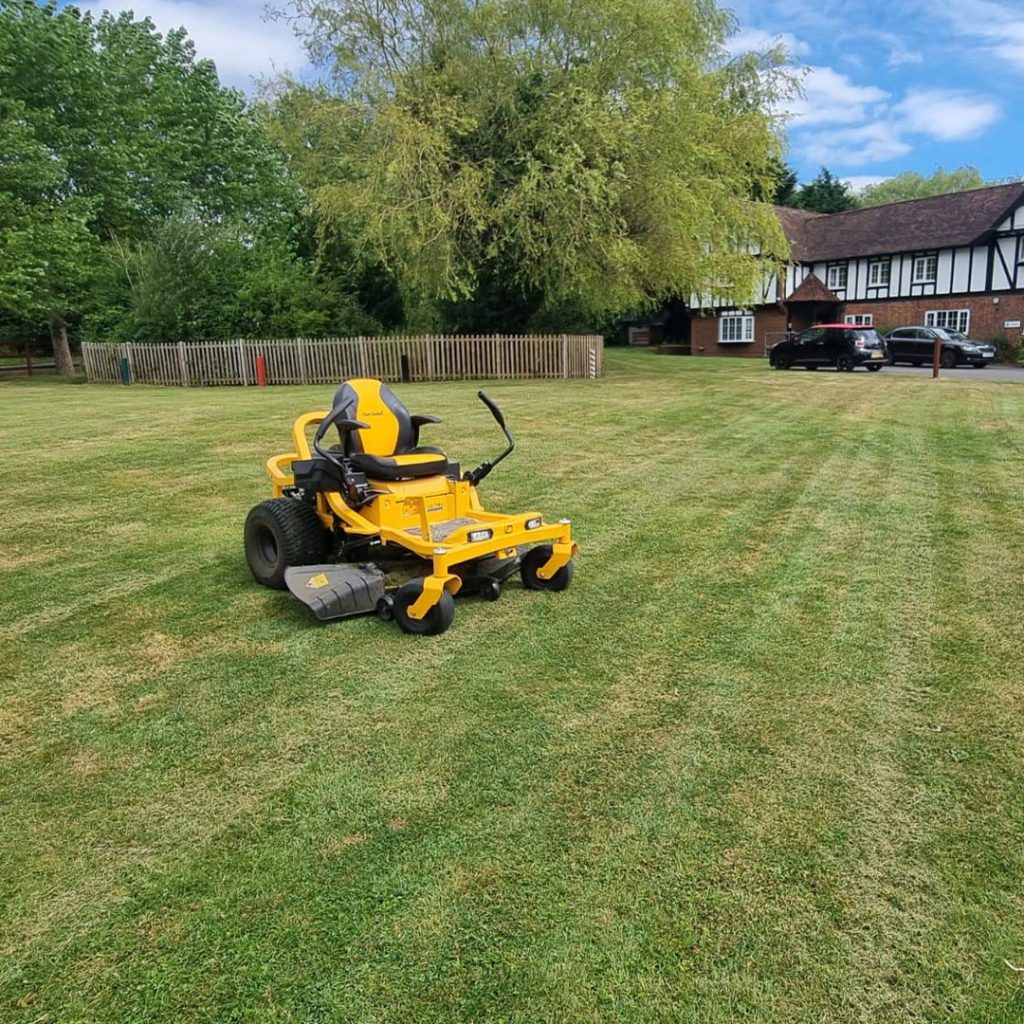
Timing and blade height are critical for the first spring topping. You should wait until the ground is firm enough to support your tractor and mower without leaving deep ruts in the soil.
Set your mower blades relatively high for this initial cut—usually around three to four inches. You only want to nip off the dead winter tips and any early weed flowers. Cutting the grass too short in early spring stresses the plant, stunts root development, and exposes the soil to the drying effects of the sun. A light, careful topping stimulates vigorous growth and sets the stage for a highly productive season.
Secure Your Pasture Health This Spring
Transitioning into the active growing season requires swift, decisive action. Failing to manage perennial weeds, ignoring poached soil, and neglecting your spring topping will severely degrade your pasture quality. Your livestock rely on you to provide healthy, nutrient-dense forage.
You do not have to tackle this critical spring maintenance alone. Professional paddock care guarantees that your land receives exactly what it needs to thrive. The expert team at SWS Countryside utilizes specialized equipment and proven agronomic strategies to transform tired winter fields into lush, highly productive summer pastures.
We provide comprehensive weed control, soil aeration, and professional topping services tailored specifically to your land.
Ensure your paddocks deliver premium grazing this year. Contact SWS Countryside today to book your early spring grass care services.
- Call us at 07708 966304 or 01732 387317.
- Email us at info@swscountryside.co.uk.