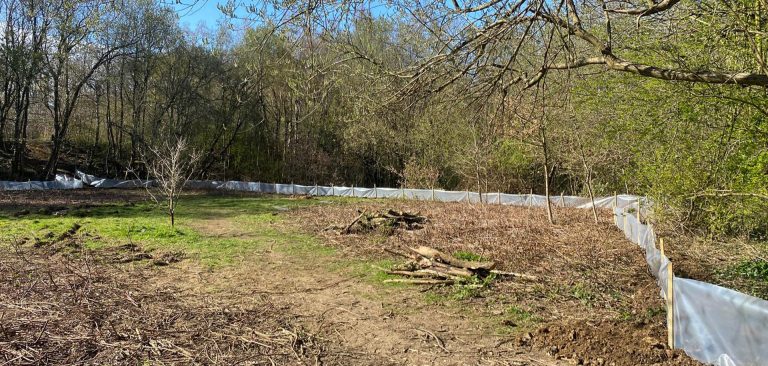
As February draws to a close and the first signs of March appear, the countryside begins to wake up. Snowdrops are fading, daffodils are pushing through, and the days are noticeably lengthening. For property owners and land managers, this transitional period is critical. It is the bridge between the dormancy of winter and the explosive growth of spring.
Waiting until the grass is knee-high or the trees are in full leaf is often too late for effective management. The most successful landscapes are those prepared in advance. Taking action now, in late February and early March, sets the tone for the rest of the year. It allows you to address winter damage before it becomes a problem and prepare the ground for a season of healthy growth.
At SWS Countryside, we know that timing is everything. This guide outlines the essential maintenance tasks you should be tackling right now to ensure your property is ready for the busy growing season ahead.
1. Clearing the Winter Aftermath
Winter can be tough on a landscape. Storms, frost, and heavy rain leave their mark, often in the form of debris that needs to be cleared before new growth begins.
Remove Debris and Fallen Branches
Start with a thorough walk-through of your property. Look for fallen branches, twigs, and accumulated leaf litter that may have gathered in corners, ditches, or on lawns.
- Suffocation Risk: Layers of wet leaves left on grass can smother the turf, promoting fungal diseases and creating bare patches.
- Mower Safety: Hidden branches can cause significant damage to mowing equipment later in the season. Clearing them now saves on costly repairs.
Clear Drainage Channels
February is often a wet month, and spring showers are just around the corner. Check all ditches, culverts, and drains. Winter storms often wash silt and vegetation into these channels, causing blockages. If water cannot flow freely, you risk waterlogging your soil just as plants are trying to establish their roots. Clear obstructions now to ensure your land drains effectively.
2. Inspecting Infrastructure: Fences and Gates
The vegetation die-back of winter offers a unique advantage: visibility. With brambles and nettles at their lowest, now is the perfect time to inspect the “hard” features of your property.
Check Fencing Integrity
Livestock, deer, and even strong winds can damage fences over the winter.
- Post Stability: Check for loose or rotting posts. A post that wobbles now will likely fail once the ground softens further or livestock start leaning on it.
- Wire Tension: Ensure tension wires are tight and that stock netting hasn’t been breached.
- Security: For commercial properties or estates, secure fencing is vital for preventing trespassing. Spotting a gap now is much easier than when it is hidden by six feet of summer undergrowth.
Service Gates and Latches
Cold weather can cause metal to contract and wood to warp, leading to misaligned gates. Test every gate on your property. Grease the hinges, check the latches catch securely, and ensure they swing freely. A gate that drags on the ground is difficult to use and damages the soil structure underneath.
3. Preparing the Soil for Planting
If you have planting projects planned—whether it’s a new hedgerow, a tree plantation, or a wildflower meadow—the success of that project lies in the soil.
Assess Soil Condition
Before you plant, assess the ground conditions. Is the soil compacted from winter traffic? Is it waterlogged? Planting into poor soil will stress young plants and lead to high failure rates.
- Aeration: If the ground is compacted, mechanical aeration can help introduce air into the soil profile, improving drainage and root penetration.
- Mulching: If you have existing planting beds, late winter is an excellent time to apply a fresh layer of mulch. This will suppress the weeds that are about to germinate and retain moisture for the coming months.
Weed Control
Weeds are opportunistic. They will be the first things to grow as temperatures rise. Dealing with perennial weeds now, before they establish deep roots and spread seeds, is far more efficient than fighting them in the height of summer. Spot-treating or removing weeds in late February gives your desired plants a head start.
4. Early-Season Tree Health Assessments
Trees are about to enter their most active phase. Assessing them now allows you to identify potential issues before they are obscured by a full canopy of leaves.
Spotting Signs of Disease or Stress
Without leaves, the structural skeleton of the tree is visible. Look for:
- Fungal Growth: Brackets or mushrooms growing on the bark can indicate internal decay.
- Cracks and Splits: Inspect the trunk and major limbs for storm damage that occurred over winter.
- Hanging Limbs: “Hangers” (broken branches caught in the canopy) are dangerous and should be removed before spring winds bring them down.
Pruning Before Bud Break
For many species, late winter is the final window for pruning while the tree is still dormant. Pruning now minimizes stress on the tree and reduces the risk of infection from pests that become active in warmer weather. It also directs the tree’s energy into the remaining healthy branches, promoting vigorous spring growth.
5. Planning for the Season Ahead
Maintenance isn’t just about physical labor; it’s about logistics.
Schedule Contractors Early
Spring is the busiest time of year for land services. If you wait until April to book a contractor for mowing or paddock maintenance, you may find they are fully booked.
- Secure Your Slot: Contacting professionals now ensures you are on their schedule for the critical first cuts and treatments.
- Order Supplies: If you need new saplings, seed mixes, or fencing materials, order them now to avoid supply chain delays during the spring rush.
Why Proactive Maintenance Pays Off
It can be tempting to stay indoors and wait for the weather to warm up completely, but the “wait and see” approach often leads to higher costs and more work.
- Cost Efficiency: Fixing a loose fence post is cheaper than replacing a broken fence. Pruning a damaged branch is cheaper than removing a fallen tree.
- Better Results: Plants and landscapes respond better to preventative care than reactive treatments. A lawn cleared of debris and moss in February will be lush and healthy in May.
- Peace of Mind: Knowing your property is secure, safe, and prepared allows you to enjoy the beauty of spring without the stress of a mounting to-do list.
Get Your Property Spring-Ready with SWS Countryside
The transition to spring is a busy time, but you don’t have to manage it alone. SWS Countryside provides comprehensive spring maintenance services to ensure your land hits the ground running. From clearing winter storm debris and repairing fences to soil preparation and tree safety surveys, our team helps you stay ahead of the season.
Don’t let the spring rush catch you off guard. Contact us today to schedule your late-winter property maintenance.
- Call us at 07708 966304 or 01732 387317.
- Email us at info@swscountryside.co.uk.