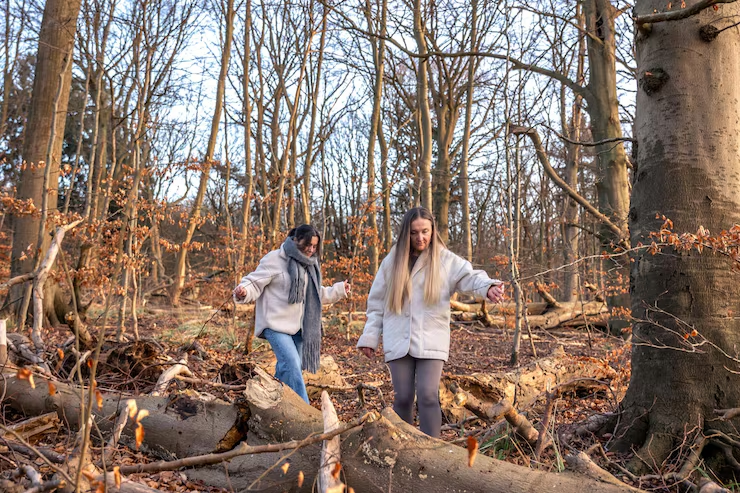
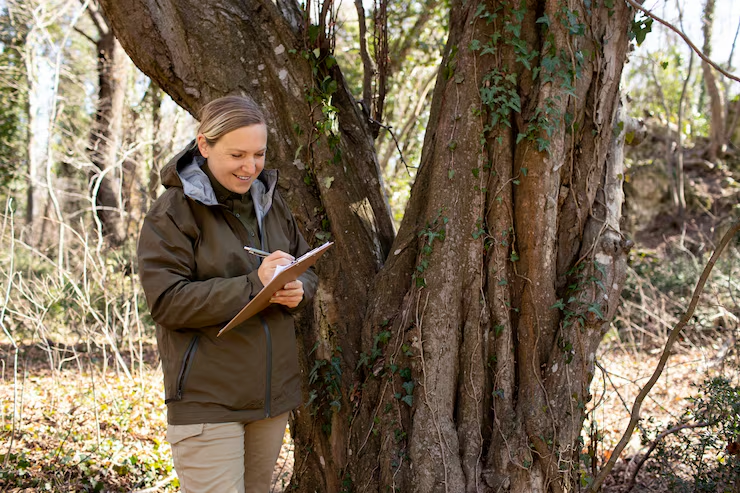
When winter arrives, our gardens and landscapes often look like they have gone to sleep. The leaves have fallen, the grass has stopped growing, and nature seems to be taking a long pause. However, for those who care for trees, this quiet season is actually the busiest and most critical time of the year. While it might be tempting to stay indoors with a hot drink, winter is arguably the best time to prune your trees.
Many property owners believe that tree work should wait until the spring sunshine returns. In reality, waiting can mean missing a crucial window of opportunity. Pruning during the dormant season offers unique advantages that promote vigorous health, prevent disease, and ensure safety. At SWS Countryside, we encourage our clients to take advantage of the cold months to prepare their trees for a flourishing spring.
1. Capitalising on Dormancy for Minimal Stress
The most significant reason to prune in winter is dormancy. During the growing seasons of spring and summer, a tree is working hard. It is expending massive amounts of energy to produce leaves, flowers, and fruit, and to grow new wood. Pruning during this active phase can shock the tree and divert energy away from these vital processes.
Energy Conservation
In late autumn, trees stop growing and conserve their energy. They pull nutrients and sugars back from their leaves and branches, storing them safely in their root systems. When you prune a tree in winter, you are removing wood that currently holds very little energy. This means the tree loses fewer resources than it would if you cut a leafy branch in July.
Ready for Spring Healing
When spring arrives, the tree will access those stored reserves in the roots to fuel rapid growth. Because the pruning cuts were made during dormancy, the tree can direct this fresh surge of energy immediately toward healing the wounds and producing new shoots. This results in a faster recovery and a healthier start to the new year.
2. Preventing the Spread of Disease
One of the greatest risks of pruning is the potential introduction of disease. Open cuts can act as entry points for harmful fungi, bacteria, and pests. However, the risk of infection drops dramatically during the winter months.
Inactive Pests and Pathogens
Many common tree diseases and the insects that spread them are dormant or dead in the winter.
- Oak Wilt and Dutch Elm Disease: These devastating fungal diseases are often spread by beetles that are attracted to fresh sap from pruning cuts. In winter, these beetles are not active, making it the safest time to prune susceptible species like oaks and elms.
- Fungal Spores: Fungi thrive in warm, damp conditions. The cold, dry air of winter inhibits the spread of fungal spores, reducing the chance of rot setting into a fresh cut.
By pruning now, you effectively close the window of opportunity for these pathogens before they wake up in the spring.
3. Clear Visibility for Better Structural Decisions
It is often said that you can’t truly know a tree until you see its skeleton. In the summer, a thick canopy of leaves can hide a multitude of structural defects. Winter lays the tree’s architecture bare, allowing for a much more accurate assessment.
Spotting the Flaws
Without foliage obstructing the view, a professional arborist can easily identify:
- Crossing or Rubbing Branches: Limbs that rub against each other create wounds that invite disease.
- Weak Branch Unions: V-shaped crotches that are prone to splitting under stress.
- Dead or Diseased Wood: While harder for an untrained eye to spot without leaves, professionals know the signs of deadwood even in winter.
- Imbalances: An asymmetrical shape that might cause the tree to lean or become unstable.
This visibility allows for precise, strategic cuts that improve the tree’s long-term structure and stability, rather than just trimming the outer edges.
4. Enhancing Safety Before Spring Storms
Winter weather can be brutal. High winds, heavy snow, and ice accumulation put immense stress on trees. A tree with a dense canopy or structural weaknesses acts like a sail in the wind, increasing the risk of failure.
Reducing Wind Resistance
Winter pruning, specifically a technique called crown thinning, reduces the density of branches. This allows wind to pass through the tree more easily rather than pushing against it.
Removing Hazards
Dead or weak branches are often called “widow-makers” because of their tendency to snap unpredictably. Removing these hazards during a controlled winter prune prevents them from coming down during a February gale, protecting your home, vehicles, and loved ones.
5. Why Professional Expertise Matters
While winter provides the best conditions for pruning, it also presents the most challenging conditions for the person doing the work. Cold temperatures, icy ladders, and frozen wood make DIY tree work particularly dangerous.
The Right Cut at the Right Time
Furthermore, “pruning” is not simply “cutting.” Every cut changes how a tree grows.
- Improper Pruning: making a “flush cut” too close to the trunk removes the tree’s natural defense zone, leading to internal rot. Leaving a “stub” prevents the wound from healing over.
- Species Specifics: Not all trees should be pruned in winter. Some species, like maples and birches, are “bleeders” that lose excessive sap if pruned late in the winter. A professional arborist knows the specific biological needs of every species in your garden.
At SWS Countryside, we combine safety equipment with arboricultural knowledge. We know how to navigate winter conditions safely and how to execute precise cuts that promote health rather than harm.
Prepare Your Trees for a Vibrant Spring
Don’t let the cold weather fool you into inactivity. Now is the strategic moment to invest in your landscape. By pruning this winter, you are setting your trees up for a season of vigorous growth, robust health, and stunning beauty.
The team at SWS Countryside is ready to brave the cold to ensure your property is safe and thriving. We offer comprehensive winter tree care services tailored to the unique needs of your landscape.
Contact us today to schedule your winter pruning session.
- Call us at 07708 966304 or 01732 387317.
- Email us at info@swscountryside.co.uk.
Take advantage of the season. Let SWS Countryside give your trees the expert care they deserve.