A well-managed woodland is a thriving, dynamic ecosystem. It’s a space that provides clean air, supports a rich variety of wildlife, and offers a sustainable source of timber. However, a neglected woodland can quickly become an unproductive, overgrown thicket with limited ecological value. The difference between these two states lies in sustainable woodland management—a long-term strategy that balances ecological health with economic viability.
Practices like coppicing, thinning, and replanting are not just about tidying up; they are essential interventions that create healthier, more resilient forests for future generations. At SWS Countryside, we believe that professional management is the key to unlocking a woodland’s full potential. This guide explores the profound, long-term benefits of adopting a sustainable approach to caring for our forests.
Benefits of Sustainable Woodland Management | SWS Countryside
Discover how sustainable woodland management boosts biodiversity, stores carbon, and improves forest health. Learn how SWS Countryside can help you manage your land.
What is Sustainable Woodland Management?
Sustainable woodland management is the practice of caring for forests in a way that meets the ecological, economic, and social needs of the present without compromising the ability of future generations to meet their own. It’s a forward-thinking approach that views a woodland not as a static resource to be exploited, but as a living system to be nurtured.
Instead of a “one-size-fits-all” plan, sustainable management is tailored to the specific goals of the landowner and the unique characteristics of the woodland. Whether the aim is to maximize timber production, enhance wildlife habitats, or create a space for recreation, the underlying principle is always the same: to work with nature, not against it.
1. Creating Healthier and More Resilient Forests
A healthy forest is better equipped to withstand the pressures of disease, pests, and climate change. Sustainable management practices are designed to build this resilience from the ground up.
The Power of Thinning
In an unmanaged woodland, trees compete fiercely for light, water, and nutrients. This intense competition leads to a dense canopy of weaker, less vigorous trees that are more susceptible to disease.
Woodland thinning involves selectively removing some trees to give the remaining ones more space to grow. This process:
- Improves Tree Vigor: With reduced competition, remaining trees grow stronger and healthier, developing thicker trunks and more extensive root systems.
- Increases Light Penetration: A thinned canopy allows sunlight to reach the forest floor, encouraging the growth of a diverse understory of plants and saplings.
- Reduces Disease Spread: By removing weak or diseased trees and improving air circulation, thinning helps prevent the spread of pathogens throughout the woodland.
A professionally thinned woodland is not only healthier but also more structurally stable, making it less vulnerable to damage from high winds and storms.
Disease and Pest Prevention
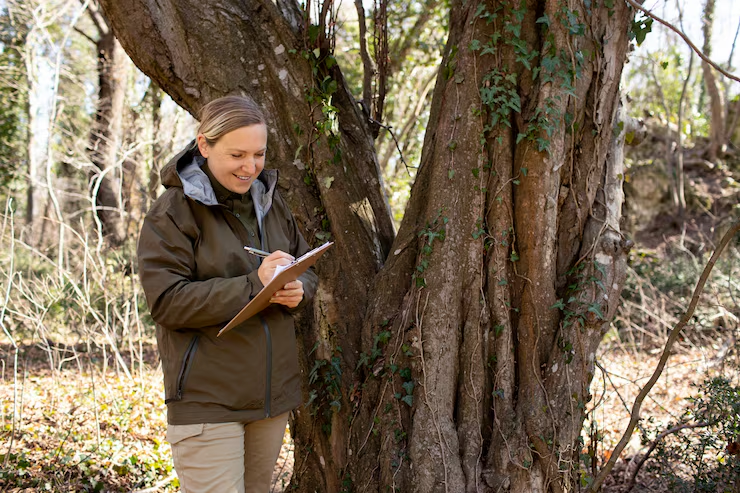
Regular monitoring is a cornerstone of sustainable management. By routinely inspecting a woodland, professionals can identify and address signs of disease or pest infestations before they become widespread problems. Early intervention can prevent the loss of valuable trees and protect the health of the entire forest.
2. Boosting Biodiversity and Enhancing Habitats
Perhaps the most significant long-term benefit of sustainable management is its impact on biodiversity. A well-managed woodland can support a staggering array of flora and fauna.
Creating a Mosaic of Habitats with Coppicing
Coppicing is a traditional woodland management technique that involves cutting trees at their base to stimulate the growth of multiple new stems. The woodland is managed on a rotation, with different sections (or “coupes”) cut each year. This creates a mosaic of habitats at different stages of growth, which is incredibly valuable for wildlife.
- Newly Coppiced Areas: These open, sunlit clearings are quickly colonized by wildflowers like bluebells and primroses, which in turn attract butterflies and other pollinators.
- Mid-Rotation Growth: The dense thicket of young stems provides perfect nesting cover for small birds like warblers and nightingales.
- Mature Coppice: Taller, established areas offer habitat for woodpeckers and other woodland birds.
This cycle of renewal ensures that there is always a diverse range of habitats available, supporting a much wider variety of species than a uniform, unmanaged forest.
The Importance of Deadwood
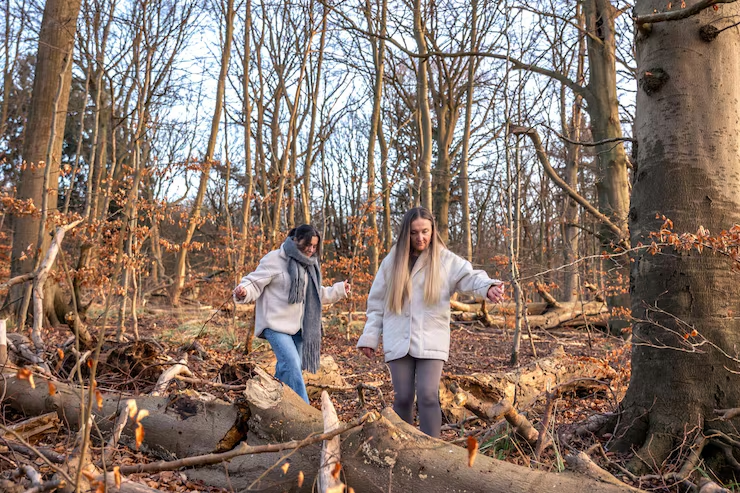
While it may seem counterintuitive, dead and decaying wood is a vital component of a healthy woodland ecosystem. Standing dead trees (snags) and fallen logs provide essential food and shelter for a vast number of organisms, including fungi, insects, mosses, and lichens. These, in turn, are a food source for birds, bats, and small mammals.
A sustainable management plan intentionally leaves a certain amount of deadwood in place, recognizing its critical role in the woodland food web.
3. Maximizing Carbon Storage to Combat Climate Change
Forests are one of our most powerful allies in the fight against climate change. Through photosynthesis, trees absorb carbon dioxide from the atmosphere and lock it away in their biomass and the soil. Sustainable management enhances this natural process.
How Healthy Trees Store More Carbon
A healthy, vigorously growing tree sequesters carbon more effectively than a stressed, slow-growing one. By thinning the woodland and ensuring trees have the resources they need to thrive, we maximize their carbon-storing potential. The long-term, continuous growth of a well-managed forest creates a significant and permanent carbon sink.
The Role of Woodland Products
When timber is harvested sustainably from a woodland, the carbon stored within it remains locked away for the lifetime of the product. Using wood for construction, furniture, or fencing is an effective way of keeping carbon out of the atmosphere. When these trees are replaced through replanting, the cycle of carbon sequestration begins anew, making sustainable forestry a key part of a circular, low-carbon economy.
4. Balancing Ecological and Economic Goals
For many landowners, a woodland needs to be more than just an ecological asset; it also needs to be economically viable. Sustainable management provides the framework for achieving both.
Generating a Sustainable Income
Through practices like selective thinning and coppicing, a woodland can produce a regular, sustainable supply of timber and other wood products. This can provide a valuable income stream for the landowner, helping to offset the costs of management and making the woodland a productive part of the estate. Professional managers can help plan harvesting schedules and market the timber to ensure the best possible return.
Enhancing Recreational and Amenity Value
A well-managed woodland is a beautiful, accessible, and safe place for people to enjoy. Professional management can involve creating and maintaining footpaths, installing benches, and ensuring that any hazardous trees are dealt with promptly. This enhances the amenity value of the woodland, whether for private enjoyment or public access.
Why Professional Management is Essential
Achieving these long-term benefits requires a deep understanding of forest ecology, specialized skills, and a strategic, long-term vision.
- Expert Planning: A professional manager can create a detailed, long-term management plan tailored to your specific objectives and the unique conditions of your woodland.
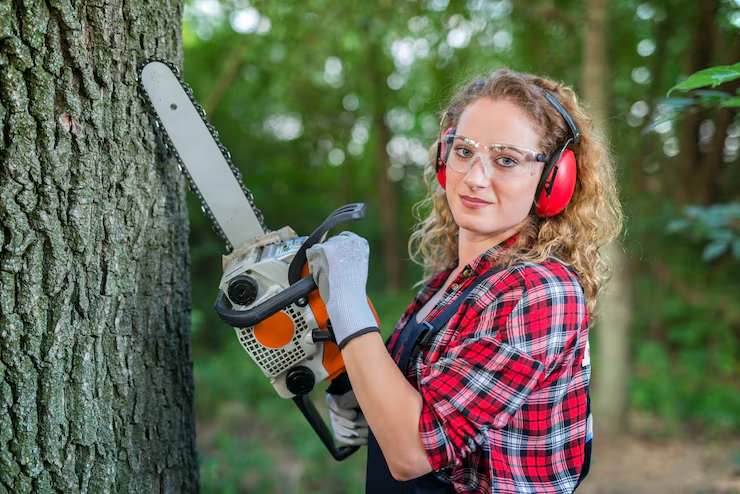
- Technical Skill: Practices like thinning and felling require certified professionals to ensure they are carried out safely and effectively.
- Ecological Knowledge: Professionals understand the complex interactions within a woodland ecosystem and can make decisions that benefit the entire system.
- Regulatory Compliance: There are various regulations and grants related to woodland management. A professional can help you navigate this landscape, ensuring compliance and accessing available funding.
Invest in the Future of Your Woodland
Sustainable woodland management is an investment that pays dividends for decades to come—in improved forest health, richer biodiversity, and enhanced economic value. It is the most responsible way to care for our natural heritage and ensure that these vital ecosystems continue to thrive for future generations.
The expert team at SWS Countryside is dedicated to helping landowners realize the full potential of their woodlands through sustainable, professional management.
Contact us today to discuss your woodland and receive a free consultation.
- Call us at 07708 966304 or 01732 387317.
- Email us at info@swscountryside.co.uk.
Partner with us to cultivate a healthy, productive, and sustainable woodland for the future.