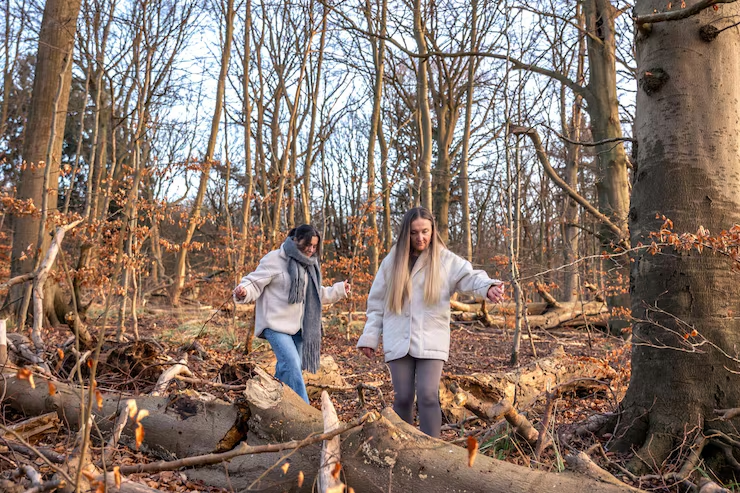
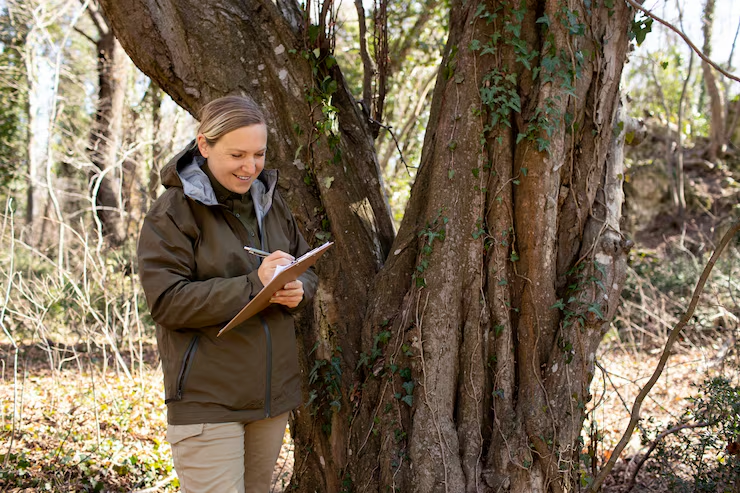
A vibrant landscape hums with life. It’s a complex web of native plants, insects, birds, and mammals, all coexisting in a balanced ecosystem. This richness of life is known as biodiversity, and it is a crucial indicator of environmental health. However, a neglected or poorly managed landscape can quickly lose this diversity, becoming a sterile environment dominated by a few aggressive species.
Professional land management is one of the most powerful tools we have to protect and enhance biodiversity. It goes far beyond simple maintenance, applying ecological principles to create and sustain thriving habitats. Through strategic services like habitat restoration, invasive species control, and sustainable woodland care, land managers can turn any property into a haven for wildlife. At SWS Countryside, we see firsthand how thoughtful intervention can restore ecological balance. This guide explores the vital role professional land management plays in supporting biodiversity.
What is Biodiversity and Why Does It Matter?
Biodiversity refers to the variety of life in a particular habitat or ecosystem. It includes everything from the smallest soil microbes to the largest mammals, and the genetic diversity within those species. A highly biodiverse ecosystem is a resilient one. It is better able to withstand and recover from disturbances like disease, drought, or climate change.
For property owners, supporting biodiversity offers numerous benefits:
- Natural Pest Control: A diverse range of native insects and birds can help keep pest populations in check.
- Pollination: Healthy populations of bees, butterflies, and other pollinators are essential for gardens, crops, and wildflowers.
- Improved Soil and Water Quality: A variety of plants helps to build healthy soil, prevent erosion, and filter water.
- Aesthetic and Recreational Value: A landscape teeming with wildflowers, birdsong, and wildlife is a more beautiful and enjoyable place to be.
Unfortunately, biodiversity across the UK is in decline due to habitat loss and the spread of non-native species. Professional land management provides a direct, effective way to counter this trend.
1. Creating a Mosaic of Habitats
One of the key principles of supporting biodiversity is to move away from uniformity. A single, uniform habitat—like a mown lawn or a dense, dark wood—can only support a limited number of species. The goal of professional land management is to create a “mosaic” of different habitats, each providing unique resources for different types of wildlife.
Strategic Vegetation Management
Instead of clearing an entire area, a land manager uses strategic vegetation management to create variety. This can involve:
- Selective Clearing: Creating open, sunlit patches (glades) within a woodland or scrubland. These areas allow wildflowers to flourish, providing nectar for pollinators.
- Managing Ecotones: An ecotone is the transition zone between two habitats, such as the edge of a woodland and a field. These zones are often the most biodiverse areas. By creating soft, scalloped edges instead of hard, straight lines, we increase the length and value of this crucial habitat.
- Leaving Rough Patches: Leaving some areas of long grass or scrub untouched provides vital cover for small mammals, ground-nesting birds, and hibernating insects.
Wetland and Pond Restoration
Ponds, streams, and wetlands are biodiversity hotspots. They provide essential breeding grounds for amphibians like frogs and newts, as well as habitats for dragonflies, birds, and a host of aquatic insects. Professional management can involve restoring old ponds, creating new ones, and managing bankside vegetation to ensure these watery habitats remain healthy and productive.
2. The Critical Role of Invasive Species Control
Invasive non-native species (INNS) are one of the greatest threats to biodiversity in the UK. Plants like Japanese knotweed, Himalayan balsam, and rhododendron spread aggressively, outcompeting native flora for light, water, and nutrients.
A landscape dominated by an invasive species becomes an ecological dead end. For example, a dense stand of rhododendron creates such deep shade that nothing can grow beneath it, and its leaves are toxic to most native insects. This “rhododendron desert” supports a tiny fraction of the life that a native oak woodland would.
Professional invasive species control is essential for restoring balance. Certified experts can:
- Accurately identify the invasive species.
- Implement targeted control methods, such as specialized herbicide application or mechanical removal, with minimal impact on the surrounding environment.
- Manage the disposal of plant material according to legal guidelines to prevent further spread.
By removing these invaders, we give native plants the chance to recolonize, which in turn brings back the insects, birds, and other animals that depend on them.
3. Sustainable Woodland Management for Wildlife
A well-managed woodland is a haven for biodiversity. Traditional techniques like coppicing and modern practices like thinning are designed to create a varied and vibrant forest structure that benefits a wide range of species.
Coppicing for a Cycle of Renewal
Coppicing is a centuries-old technique where trees are cut at the base, prompting them to regrow multiple stems. A woodland is divided into sections, and one section is coppiced each year on a rotation. This creates a fantastic diversity of habitats:
- Year 1: The newly cleared, open area is flooded with sunlight, perfect for wildflowers like bluebells and primroses, and the butterflies they attract.
- Years 2-5: The regrowth creates a dense, low thicket, providing ideal nesting cover for small birds like dunnocks and warblers.
- Years 6-15: As the canopy grows taller, it offers habitat for a different set of species, while the cycle begins anew in another part of the wood.
The Value of Deadwood
It might seem tidy to clear away all dead branches and fallen logs, but deadwood is a critically important habitat feature. A decaying log can be home to hundreds of species of fungi, beetles, and other invertebrates. These invertebrates become a food source for birds and small mammals. Standing dead trees, or “snags,” are used by woodpeckers for nesting and bats for roosting. A professional land manager understands this and will intentionally leave a certain amount of deadwood in place to support the woodland’s food web.
4. Prioritizing Native Flora
The foundation of any healthy ecosystem is its native plants. Native plants are those that have evolved in a specific region over thousands of years. They are perfectly adapted to the local climate and soil, and they have complex, co-evolved relationships with local wildlife.
A native oak tree, for example, can support over 400 species of insects. A non-native sycamore, by contrast, supports only a handful. Those insects are the primary food source for birds to feed their young.
Professional land managers prioritize the use of native species in all planting and restoration projects. Whether creating a new hedgerow, planting a woodland, or sowing a wildflower meadow, choosing native species ensures that the habitat created will provide the maximum possible benefit for local wildlife.
Why Professional Expertise is Key
While the desire to help wildlife is commendable, land management without ecological knowledge can sometimes do more harm than good. It’s easy to accidentally remove a valuable native plant, disturb a nesting bird, or use a technique that is inappropriate for the habitat.
A professional land management company like SWS Countryside brings:
- Ecological Expertise: A deep understanding of local ecosystems, species, and how they interact.
- Strategic Planning: The ability to create a long-term management plan that delivers measurable improvements in biodiversity.
- Specialized Skills and Equipment: The qualifications and tools to carry out tasks like invasive species control, coppicing, and tree surgery safely and effectively.
- Regulatory Knowledge: An understanding of the laws protecting wildlife and habitats, ensuring all work is compliant.
Partner with SWS Countryside to Enhance Biodiversity
Investing in professional land management is a direct investment in the health of our environment. By creating diverse habitats, controlling invasive species, and promoting native flora, you can transform your property into a thriving ecosystem that supports a rich variety of life. The choices we make on our land today will determine the natural legacy we leave for tomorrow.
The team at SWS Countryside is passionate about delivering land management solutions that enhance biodiversity and restore ecological health. Whether you need help developing a habitat restoration plan, managing a woodland for wildlife, or controlling invasive species, we have the expertise to help you achieve your goals.
Contact us today to learn more about our services and get a free consultation.
- Call us at 07708 966304 or 01732 387317.
- Email us at info@swscountryside.co.uk.
Let’s work together to create a healthier, more biodiverse landscape for gen