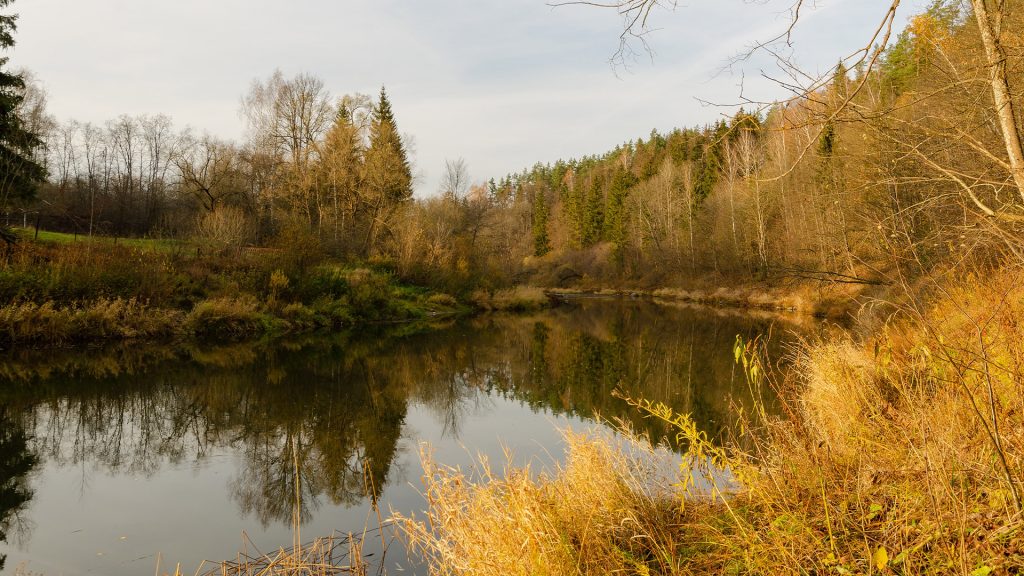
Spring brings life back to rural landscapes. Ponds, lakes, and natural watercourses often serve as the centerpiece of a property. They provide essential habitats for local wildlife, offer aesthetic value, and serve as crucial water sources for livestock. However, as soil temperatures climb and daylight hours increase, these water bodies undergo rapid biological changes.
Left unmanaged, a clear winter pond can quickly turn into a stagnant, weed-choked problem by early summer. Taking proactive steps in spring ensures your aquatic environments remain healthy, balanced, and functional throughout the year. You must address winter damage before the active growing season takes full control.
This guide outlines the essential pond maintenance tasks you need to prioritize right now. You will learn how to safely remove accumulated winter debris, control aggressive aquatic weeds, stabilize eroded banks, and dramatically improve overall water quality.
The Impact of Winter on Your Pond
Winter weather places immense stress on aquatic ecosystems. Heavy rain, high winds, and freezing temperatures disrupt the natural balance of your pond. Before you can focus on spring growth, you must clean up the mess left behind by the colder months.
Managing Accumulated Debris and Sludge
Autumn and winter winds blow massive amounts of organic material into open water. Dead leaves, broken twigs, and decaying grass settle on the bottom of the pond, creating a thick layer of sludge. As the water warms up in spring, bacteria begin to break down this organic matter at an accelerated rate.
This decomposition process consumes massive amounts of oxygen. It also releases excess nutrients, like nitrogen and phosphorus, directly into the water column. These nutrients act as fertilizer for nuisance algae and invasive weeds. Removing this sludge now, either through physical dredging or the application of specialized beneficial bacteria, prevents nutrient overloading and protects the health of your aquatic ecosystem.
Mitigating Oxygen Depletion Risks
Ice cover and limited winter sunlight often cause a severe drop in dissolved oxygen levels. While fish and amphibians survive in a semi-dormant state during winter, they require highly oxygenated water as they become active in the spring.
A pond heavily burdened by rotting debris simply cannot provide enough oxygen for a thriving wildlife population. Assessing the water quality in early spring gives you the opportunity to intervene before you experience a devastating fish kill. Cleaning the pond floor and restoring proper circulation are the first lines of defense against oxygen depletion.
Early Spring Aquatic Weed Control
Aquatic weeds wait patiently for the first signs of spring. The combination of warming water and the nutrient-rich sludge left over from winter creates the perfect environment for explosive plant growth. Managing these plants early saves you from battling an impenetrable green mat in July.
Identifying Early Invaders
You must monitor your water closely as March gives way to April. Different types of aquatic weeds require completely different management strategies.
- Submerged Weeds: Plants like Canadian pondweed grow entirely underwater. They can quickly choke out a pond, making it impossible for fish to swim and causing severe oxygen crashes at night.
- Floating Weeds: Duckweed and water fern sit on the surface. They multiply at an astonishing rate, completely blocking sunlight from reaching the lower levels of the pond.
- Algae: Blanket weed (filamentous algae) forms thick, stringy clouds that cling to plants and rocks, looking like submerged green wool.
Catching these invaders in their juvenile stage is critical. Small, localized patches are relatively easy to treat, whereas a fully covered pond requires extensive and costly intervention.
Safe and Effective Weed Removal Methods
You have several options for managing aquatic vegetation, but timing and technique matter immensely. Mechanical removal using specialist rakes or weed-cutting boats offers an immediate, chemical-free solution. When you pull weeds physically, you must leave them on the bank for a day or two. This allows trapped aquatic insects and amphibians to crawl back into the water before you dispose of the green waste.
For severe infestations, targeted aquatic herbicides provide effective control. However, you must only use products explicitly approved for aquatic environments. Applying standard agricultural herbicides near water is illegal and causes catastrophic damage to the ecosystem. Professional application ensures the chemicals target the specific weed without harming the surrounding wildlife.
Inspecting and Stabilizing Pond Banks
The land immediately surrounding your pond is just as important as the water itself. The transition zone between dry land and open water takes a heavy beating during the wet winter months. Spring is the optimal time to assess and repair this critical infrastructure.
Identifying Winter Erosion
Winter storms and fluctuating water levels frequently wash away sections of the pond bank. This erosion creates steep, unstable drop-offs that pose a serious safety hazard to people, machinery, and livestock. Furthermore, eroded soil washes directly into the water, adding to the sludge layer and reducing the overall depth of the pond.
Walk the entire perimeter of your water body. Look for collapsed sections, exposed tree roots, and areas where the bank has been severely poached by thirsty livestock. Identifying these weak points early allows you to stabilize them before summer storms cause further collapse.
Establishing Protective Vegetation
The most effective way to secure a pond bank is through natural reinforcement. The roots of marginal plants act like a net, binding the soil together and preventing it from washing away.
Spring is the perfect season to plant native marginal species like yellow iris, marsh marigold, and purple loosestrife. These plants establish their root systems rapidly in the warming soil. Not only do they lock the banks in place, but they also act as a natural filtration system. They absorb excess agricultural runoff and chemical fertilizers from the surrounding land before those pollutants can enter the pond.
Enhancing Water Quality and Aeration
Stagnant water is a breeding ground for problems. It encourages mosquito breeding, fuels toxic blue-green algae blooms, and smells terrible. Improving water movement is a fundamental component of spring pond maintenance.
The Importance of Movement
Moving water absorbs oxygen from the atmosphere much more efficiently than still water. It also prevents the water column from stratifying—a process where warm water sits on the surface while cold, oxygen-starved water becomes trapped at the bottom.
Installing an aeration system, such as a diffused air pump or a surface fountain, fundamentally changes the health of your pond. Aeration accelerates the natural breakdown of bottom sludge, clears up murky water, and creates a highly oxygenated environment where fish and native plants can thrive.
Monitoring Nutrient Levels
Even with a clean pond floor and excellent aeration, unseen chemical imbalances can cause significant problems. Agricultural runoff from neighboring fields often introduces massive spikes of nitrogen and phosphorus during the spring rains.
Testing the water quality provides a clear picture of what is happening below the surface. If nutrient levels are dangerously high, you can apply natural treatments, such as barley straw extract or specialized chalks. These interventions safely bind the excess nutrients, starving nuisance algae and restoring absolute clarity to the water.
Partner with SWS Countryside for Expert Pond Care
Managing a natural water body requires specific expertise. Balancing the chemical, biological, and structural elements of a pond is a delicate process. Intervening at the wrong time or using incorrect methods can easily destroy the fragile aquatic ecosystem you want to protect.
You do not need to navigate this complex maintenance alone. Professional management ensures your water features remain a beautiful, functional asset rather than a stressful liability. The experienced team at SWS Countryside possesses the specialized equipment and the ecological knowledge necessary to handle every aspect of aquatic care.
From safe aquatic weed control and mechanical sludge removal to bank stabilization and aeration system installation, we provide comprehensive solutions tailored precisely to your property. We understand the legal requirements surrounding aquatic environments and always work to protect the native wildlife.