Spring breathes new life into our landscapes. As March settles in and the weather shifts, trees that stood dormant through the winter begin to wake up. Buds swell, leaves unfurl, and branches reach toward the returning sun. While this seasonal transformation is beautiful, it also brings hidden risks for property owners.
Winter storms often leave unseen damage behind. When spring arrives, the sudden growth and changing weather can turn minor weaknesses into major hazards. This makes the transition into spring the most critical time of the year to evaluate the health and stability of your trees.
Relying on a quick look from the ground is simply not enough to ensure safety. This guide will explain why professional tree surveys are essential for property safety. You will learn the difference between a casual glance and an expert assessment, understand your legal responsibilities as a landowner, and see how proactive care can save you thousands of dollars.
Why Spring is a Critical Time for Tree Inspections
The shift from winter to spring creates a unique set of stresses on trees. Understanding these biological and environmental changes highlights exactly why spring inspections are so vital.
The Impact of Shifting Weather Patterns
Spring weather is notoriously unpredictable. Calm, sunny mornings can quickly give way to sudden squalls, heavy rain, and high winds. Trees that endured the freezing temperatures and snow loads of winter are now forced to withstand a completely different type of weather assault.
High winds test the structural integrity of every branch and trunk on your property. If a tree sustained internal damage during a winter freeze, a strong spring gust can easily snap a weakened limb. A professional survey evaluates how a tree will handle these shifting weather patterns, identifying vulnerable areas before a storm hits.
The Rising Sap and Added Weight
As temperatures rise, sap begins to flow forcefully through the tree. This process brings essential water and nutrients from the roots up to the branches to support new growth. While this is a sign of a healthy tree, it also adds a massive amount of physical weight to the canopy.
Once leaves fully develop, the canopy acts like a giant sail. It catches the wind, placing immense leverage on the trunk and root system. If the roots are compromised by soil compaction or winter waterlogging, the tree might fail under its own renewed weight. Expert arborists know how to read these signs of root stress and canopy imbalance.
The Difference: Casual Glance vs. Professional Survey
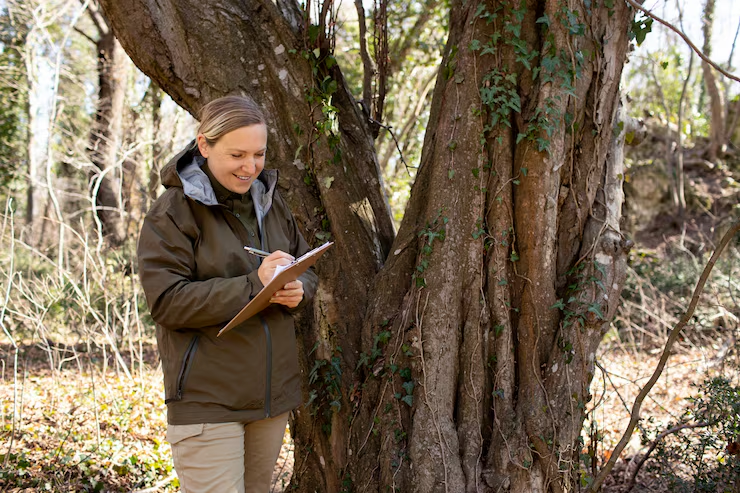
Many property owners walk their grounds, look up at the green leaves, and assume everything is fine. Unfortunately, a green canopy does not always mean a tree is structurally sound. Professional arboricultural surveys go far beyond a simple visual check.
Identifying Hidden Structural Defects
A casual observer might miss a slight lean in a trunk or a narrow fork between two large branches. An expert arborist sees these as potential failure points. Structural defects like included bark—where bark grows inward between two joining branches—create severe weak spots that are prone to splitting.
Professionals also look for subtle signs of internal decay. They use specialized tools and extensive training to tap trunks and assess the density of the wood. What looks like solid bark to an untrained eye might actually be a hollow shell hiding years of internal rot.
Spotting Fungal Pathogens
Fungi play a crucial role in breaking down dead organic matter, but when they attack a living tree, they become a serious threat. Some fungal pathogens aggressively decay the structural roots or the main trunk. A homeowner might notice a mushroom growing near the base of an oak tree and think nothing of it.
An arborist, however, can identify the specific type of fungus. They know that certain fruiting bodies, like those of the honey fungus or bracket fungi, indicate advanced decay that severely compromises the tree’s stability. Identifying these pathogens early allows for strategic management before the tree becomes a critical hazard.
Managing Deadwood Safely
Dead branches are a natural part of a tree’s life cycle. As a tree grows, it naturally shades out its lower branches, causing them to die off. However, this deadwood poses a significant risk to anyone or anything situated below.
A professional survey maps out the extent and location of deadwood within the canopy. Experts can determine which dead branches are likely to fall soon and which provide safe, valuable habitat for local wildlife. They then create a targeted pruning plan that prioritizes safety while maintaining ecological balance.
Understanding Your Legal Duty of Care
Owning land with trees comes with specific legal responsibilities. Ignoring tree health is not an option if you want to protect yourself from liability.
Protecting People and Property
Under the law, landowners owe a “duty of care” to visitors, neighbors, and anyone passing by their property. This means you must take reasonable steps to ensure your trees do not cause injury or damage. If a dead branch from your tree falls onto a parked car or injures a pedestrian, you could be held legally responsible.
The expectation is not that you can predict every act of nature. Instead, the law expects you to act as a reasonable, prudent landowner. Regular professional tree surveys are the most effective way to demonstrate that you are fulfilling this legal obligation.
Liability and Peace of Mind
If a tree-related accident occurs on your property, insurance companies will immediately look into your maintenance history. If you cannot prove that you regularly inspected and maintained your trees, your insurance claim could be denied.
Keeping a documented record of professional arboricultural surveys provides an invaluable safety net. It proves that you took proactive steps to identify and mitigate risks. Beyond the legal and financial protection, knowing your trees have been declared safe by an expert provides profound peace of mind.
How Proactive Surveys Save You Money
Some property owners view tree surveys as an unnecessary expense. In reality, regular inspections are a smart financial investment that prevents massive unexpected bills.
Avoiding Emergency Removals
Emergency tree work is incredibly expensive. When a tree falls on a roof or blocks a driveway during a storm, tree surgeons must operate under hazardous, high-pressure conditions. They often require specialized lifting equipment and emergency crews, driving the cost up exponentially.
By identifying a failing tree during a routine spring survey, you can schedule its removal or reduction during normal working hours. Planned maintenance is always significantly cheaper than emergency disaster response. It also spares you the cost of repairing the severe damage a fallen tree leaves behind.
Extending the Life of Your Trees
Not every damaged tree needs to be removed. Often, a professional survey identifies minor issues that can be corrected with simple interventions. Cable bracing, targeted weight reduction pruning, or soil aeration can save a tree that might otherwise fail.
Mature trees add significant monetary value to your property. They reduce heating and cooling costs, improve curb appeal, and enhance the overall landscape. By investing in routine surveys, you extend the lifespan of these valuable natural assets, maximizing the return on your landscaping investment.
Secure Your Property This Spring
As the sap rises and the spring winds pick up, do not leave the safety of your property to chance. A healthy-looking tree can still hide dangerous structural flaws, aggressive fungal pathogens, and deadly weak points. Fulfilling your duty of care and protecting your financial assets requires expert insight.
Take the proactive step today to ensure your landscape is safe, compliant, and ready to thrive throughout the growing season. The experienced arborists at SWS Countryside have the knowledge and tools to provide comprehensive, reliable tree safety surveys for properties of all sizes.
Contact SWS Countryside today to schedule your professional tree survey.
- Call us at 07708 966304
- Email us at info@swscountryside.co.uk